Alcohol Free
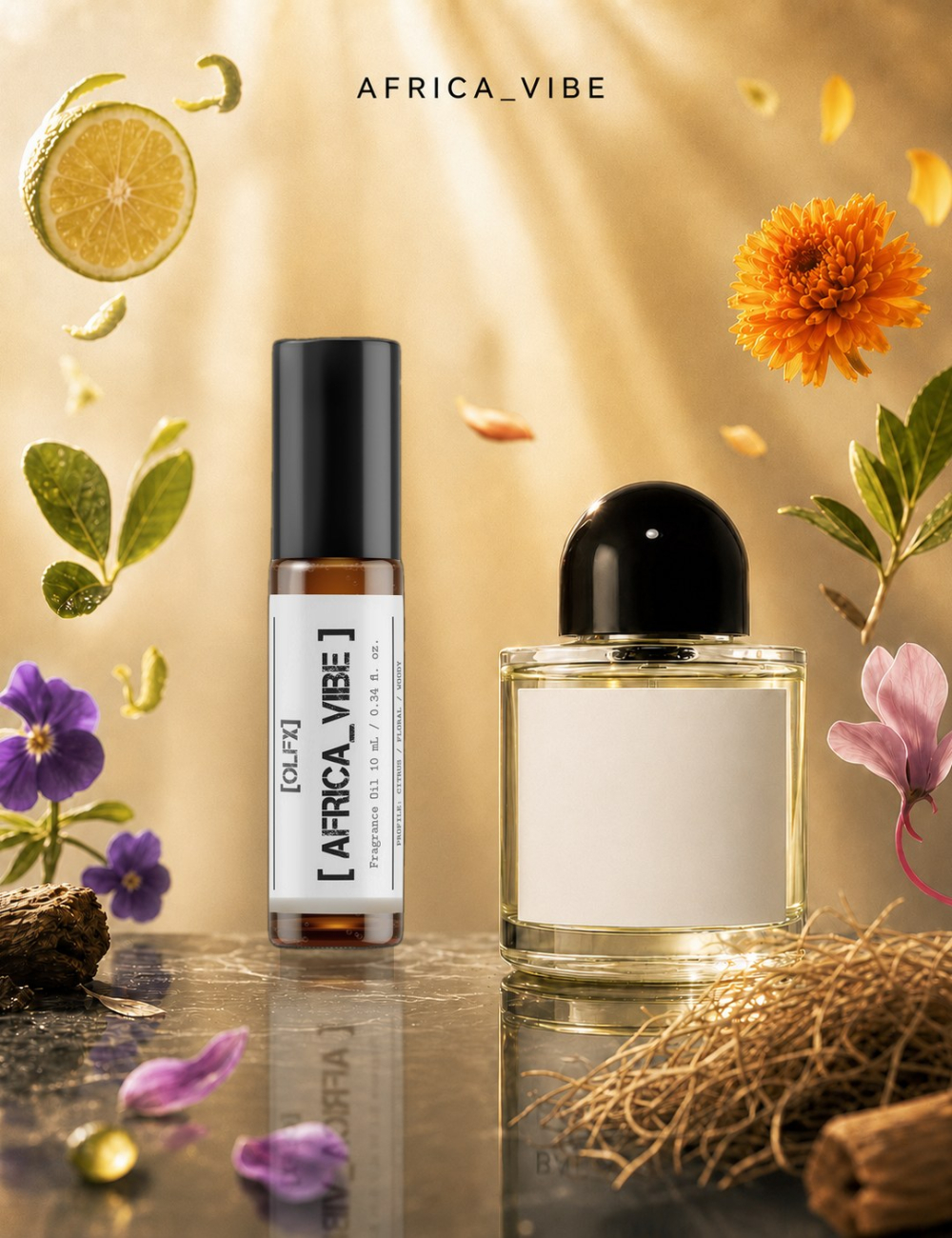
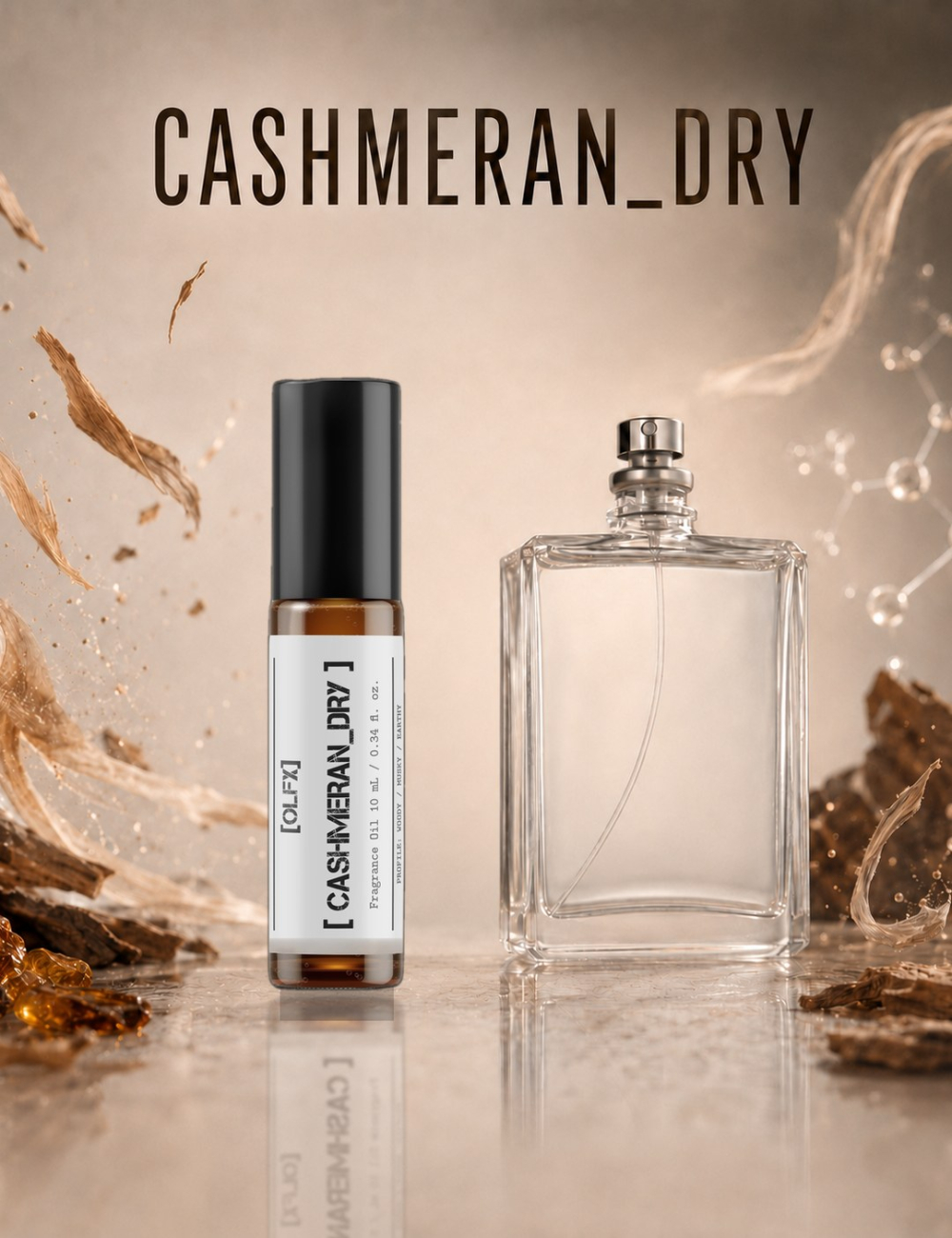
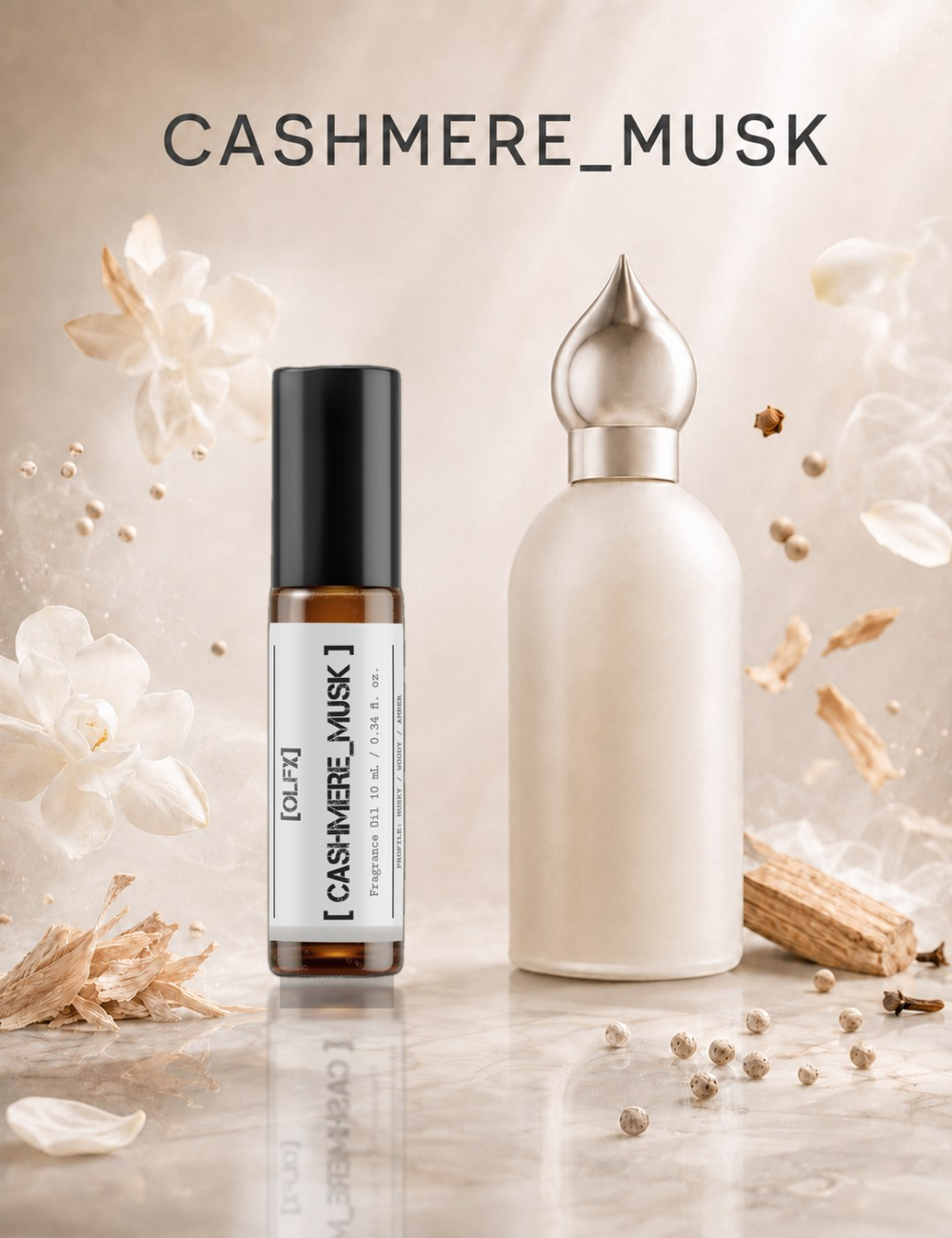
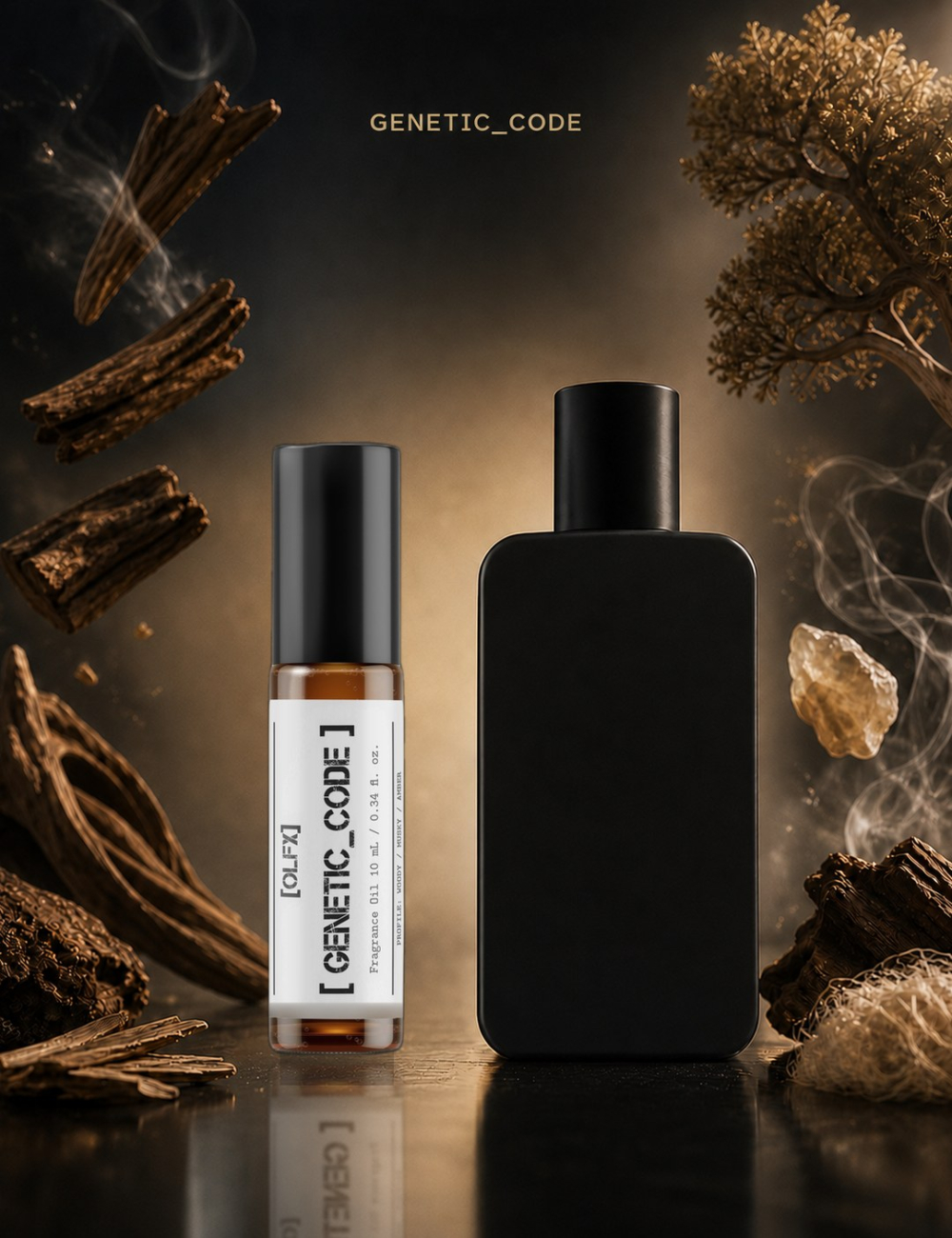
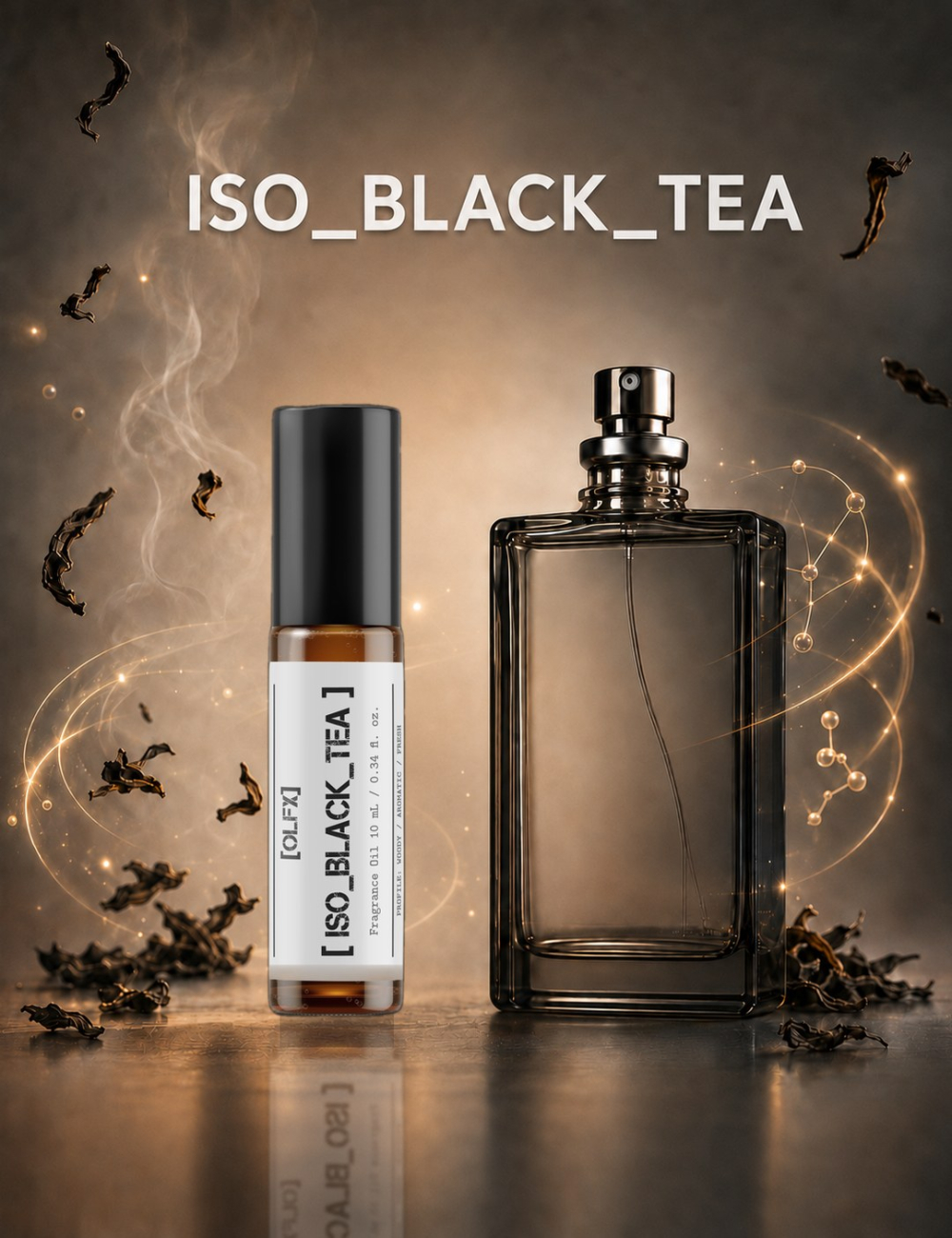
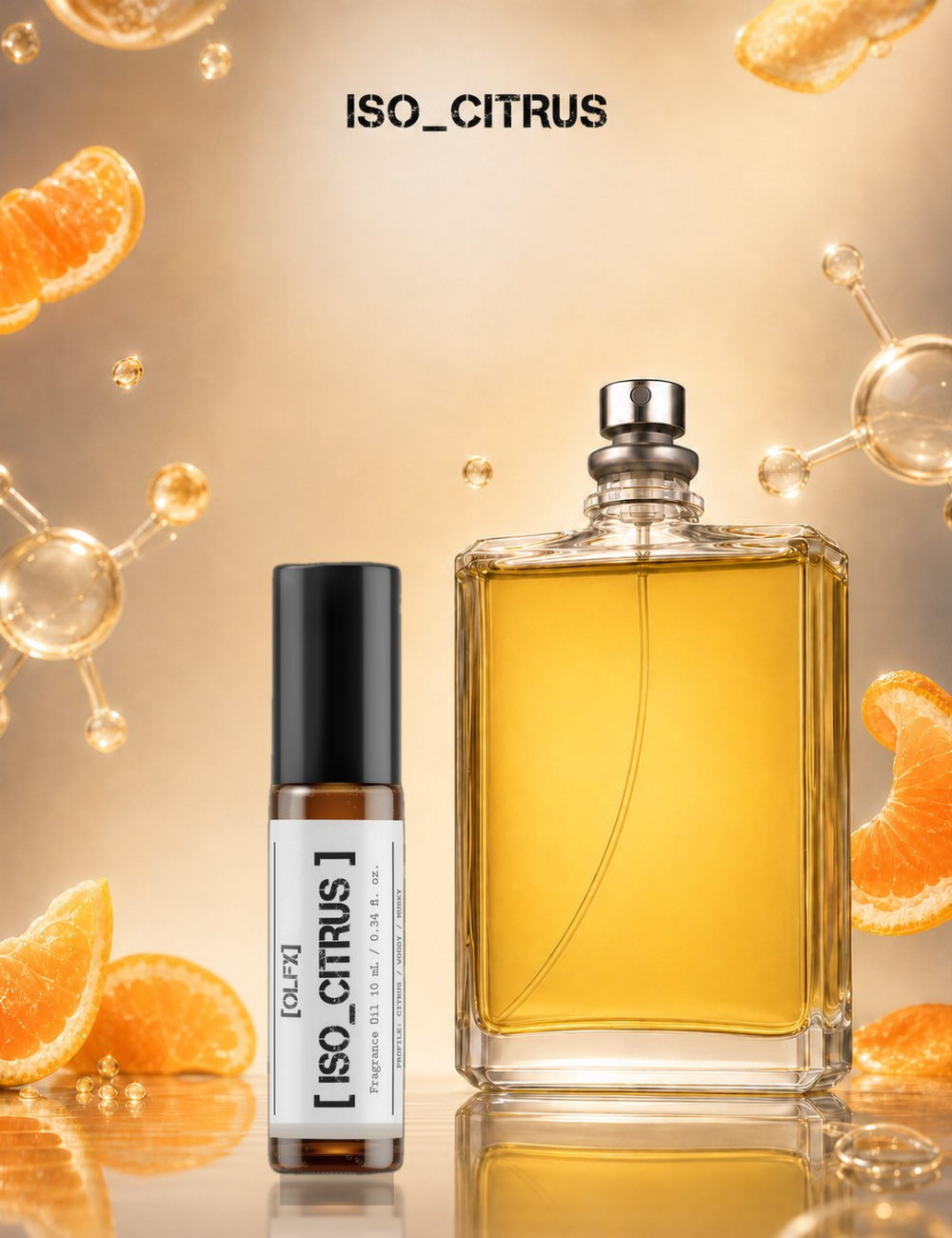
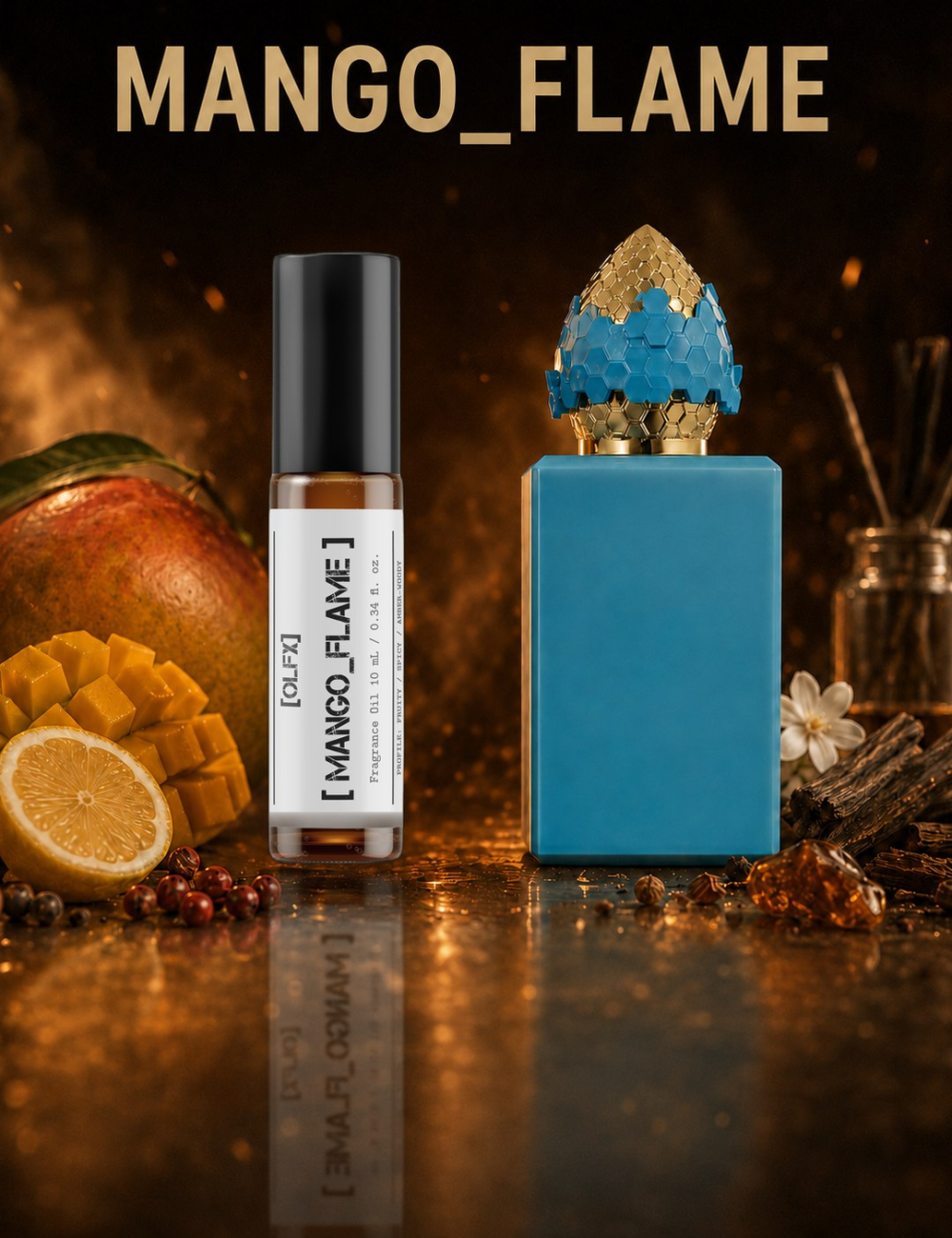
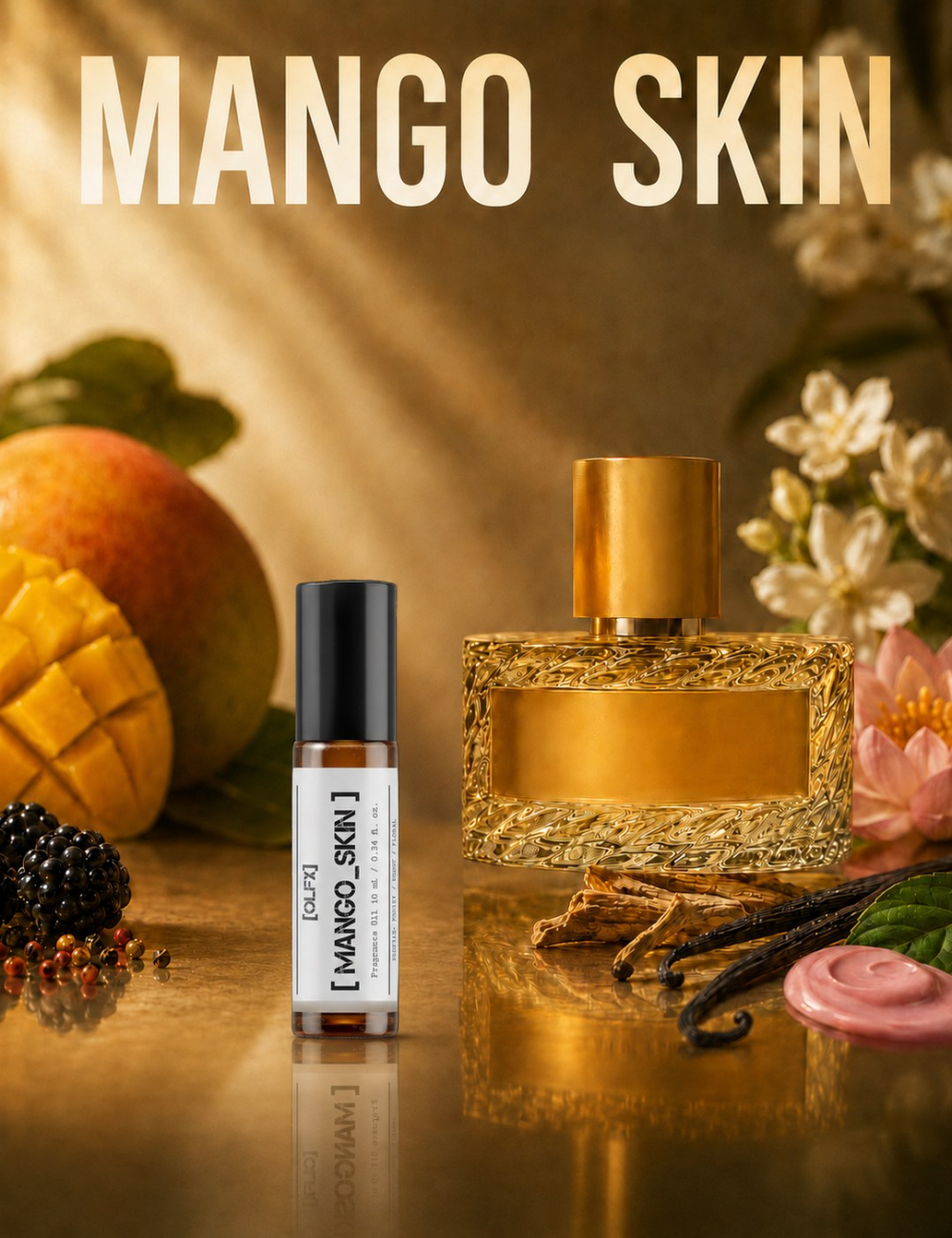
14 / 20
Alcohol free perfume carries fragrance in an oil base instead of ethanol. Every product in this OLFx collection is a 10 ml roll-on perfume oil — the format that is alcohol-free by design, applied directly to skin with no spray mist.
Updated September 2026
Most classic perfumes are 70-85% alcohol: it is the carrier that flashes off after spraying and lifts the scent into the air. An oil-based roll-on works differently — the fragrance sits in an oil carrier that stays on skin, wears closer, and skips the sharp alcohol opening entirely. That difference is why shoppers look for alcohol-free perfume in the first place.
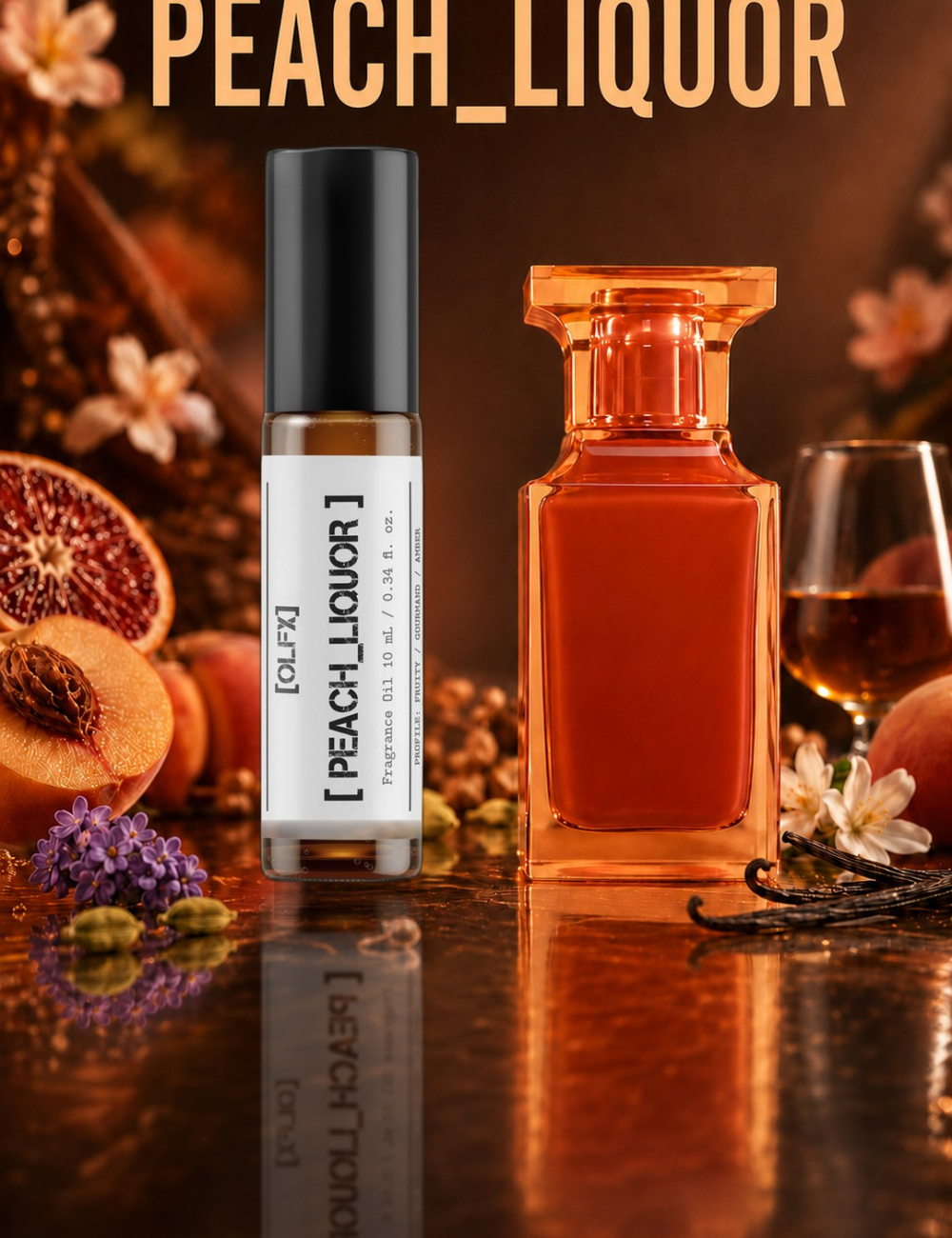
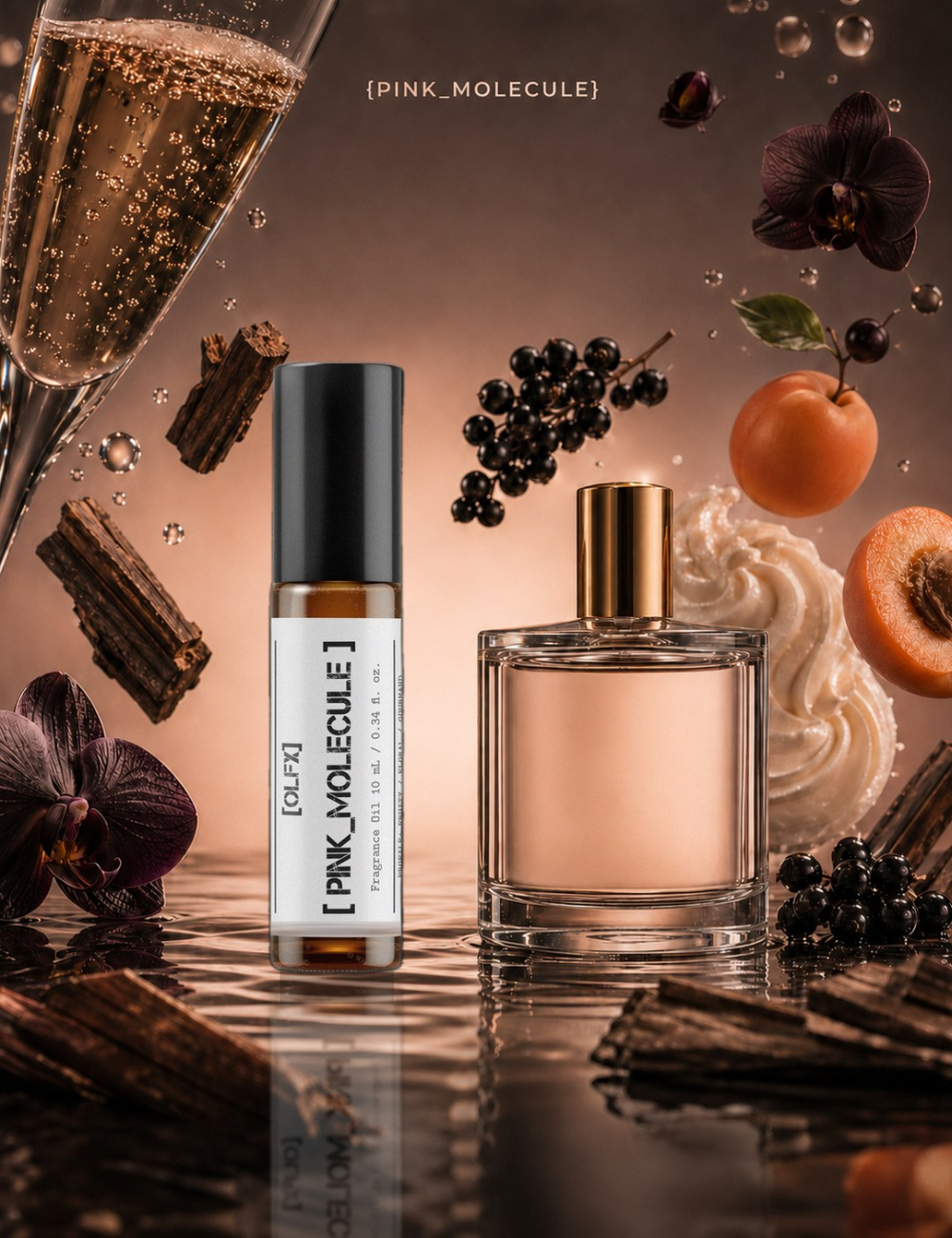
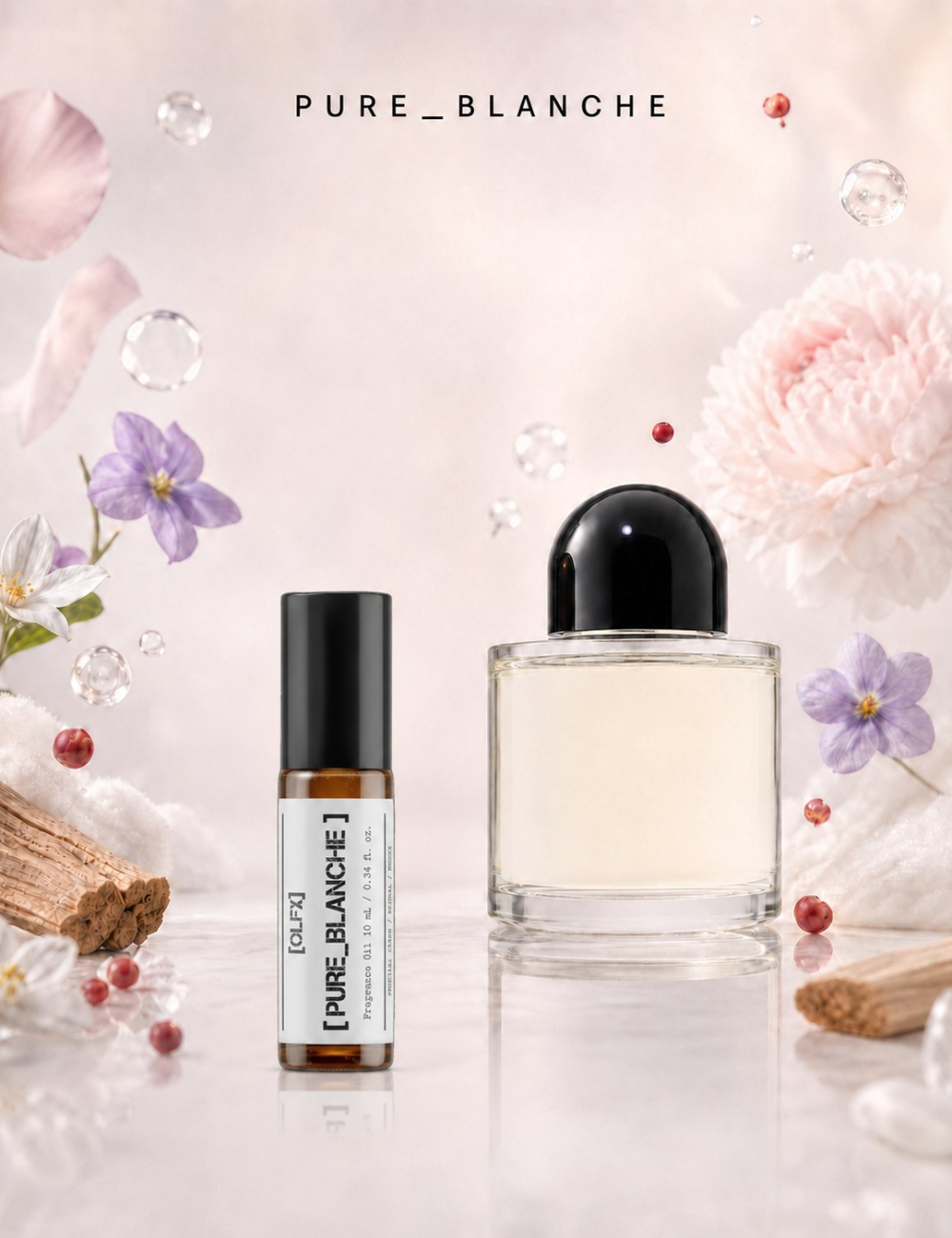
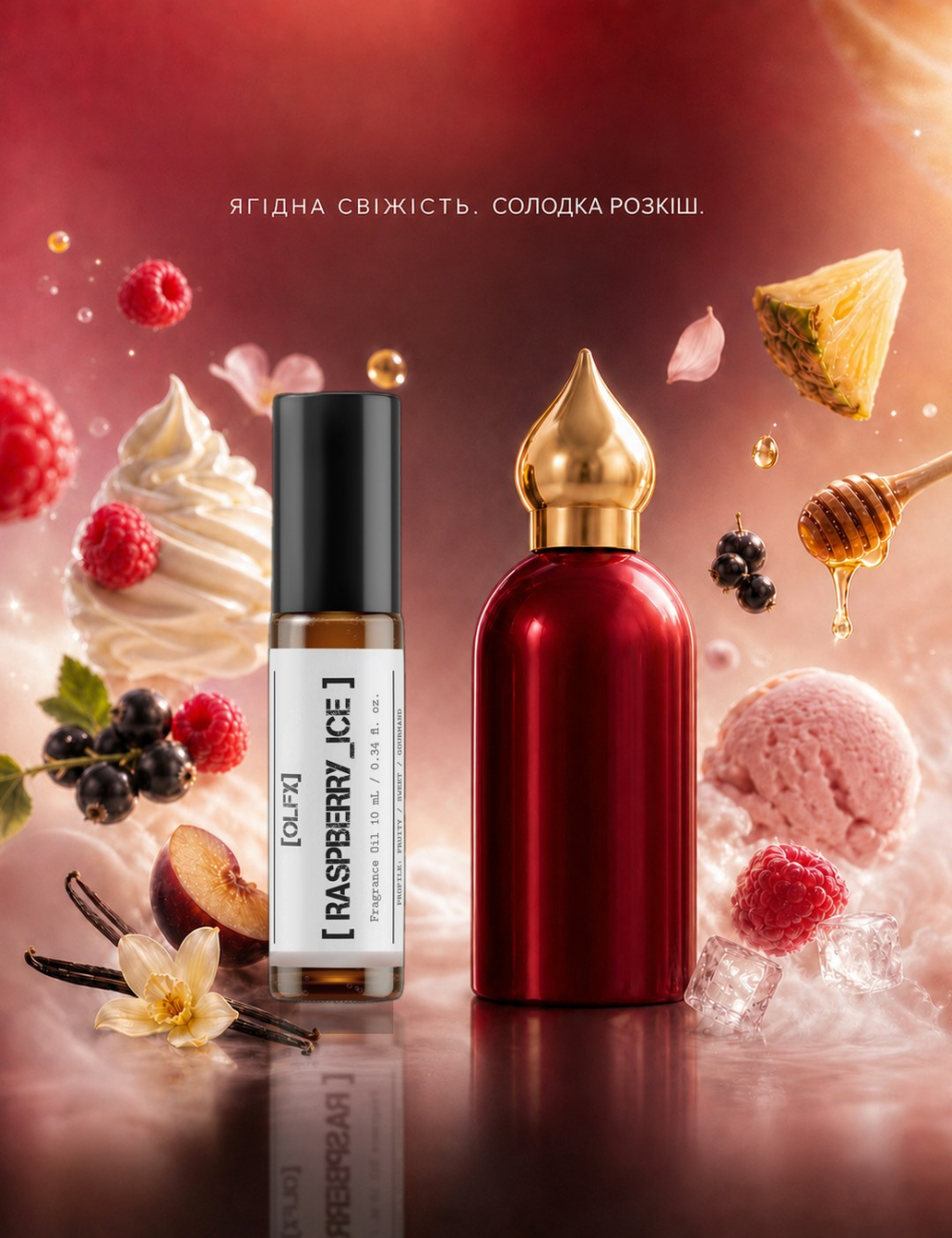
Start from a scent direction you already know. Each pick below is a 10 ml roll-on perfume oil with no ethanol carrier.
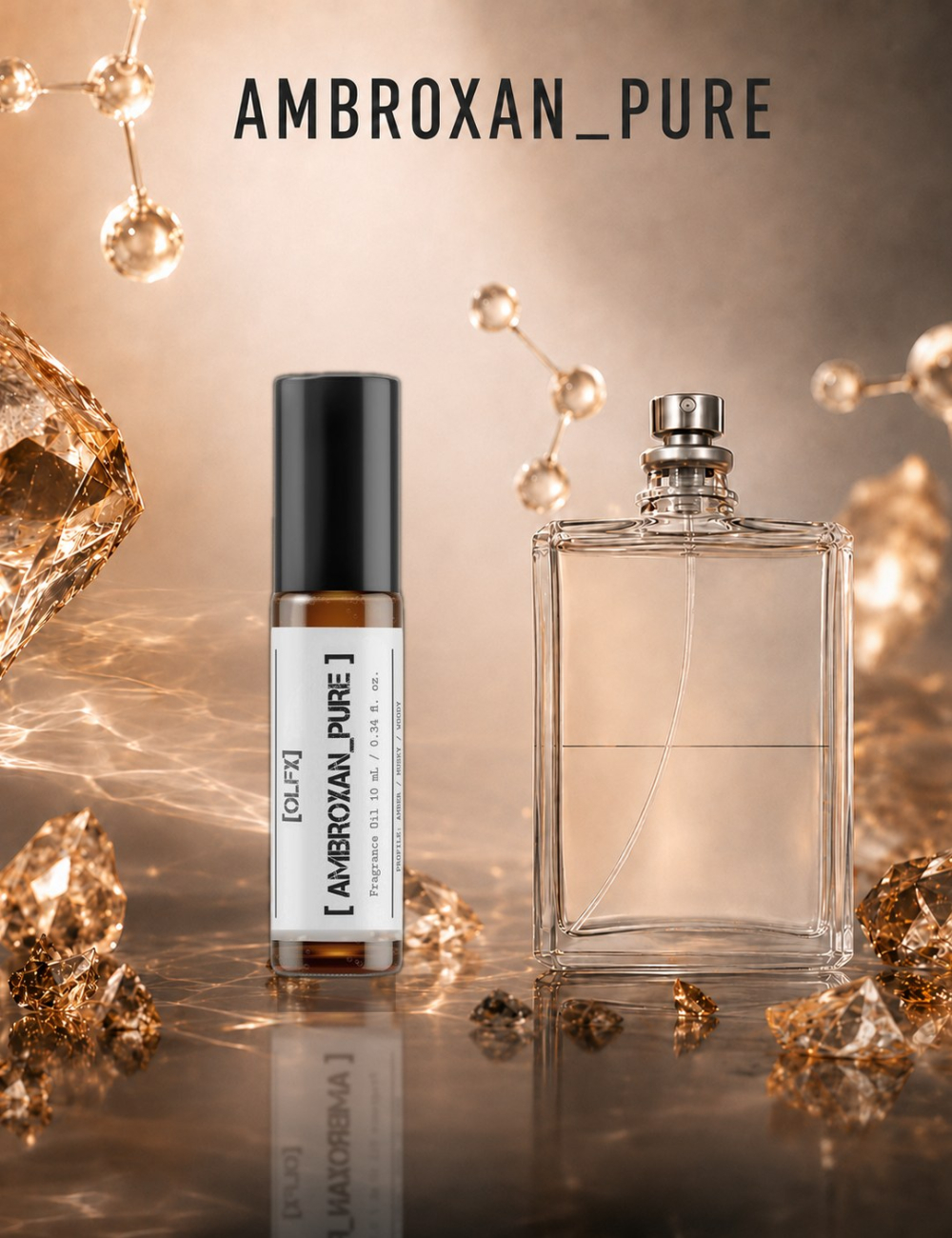
Price: $14.99 per 10 ml roll-on perfume oil. Source: OLFx product pages for Iso Pure, Ambroxan Pure and Santal Spirit. Checked: September 15, 2026.
One nuance on the label: roll-on perfume oils sold as alcohol-free can still list benzyl alcohol, an aromatic alcohol rather than the volatile ethanol used in sprays, as Marie Claire explains.
OLFx is not the only oil-based option. Swiss Arabian sells concentrated non-alcoholic perfume oils, and Sand + Fog offers perfume oil rollerballs (both sites checked September 15, 2026).
The three common reasons are skin comfort, a quieter scent presence, and personal or cultural preference for alcohol-free products.
The alcohol in a classic spray can feel drying or sharp on some skin, especially right after application. Oil application is gentler in feel and skips the boozy first minute — the scent starts at its heart rather than its alcohol flash. And for shoppers who avoid alcohol-based products as a personal or religious choice, oil perfumery is the traditional answer: attars and perfume oils have carried fine fragrance this way for centuries, long before the modern spray existed.
Closer and quieter: oil keeps the scent in a personal bubble around the skin instead of projecting it across a room.
That makes the format ideal for offices, flights, and shared spaces — and for layering, since a precise line of oil on pulse points is easier to control than a spray cloud. The trade-off is presence: if you want a scent that announces you, the 50 ml Extrait de Parfum spray of the same reference delivers that. Many shoppers keep both — the spray for going out, the alcohol-free roll-on for daily wear. Every card in this collection names its original reference, so you can pick the direction you already know from the main catalog.
The evidence is mixed, but several studies report that topical ethanol can reduce skin hydration.
Raab et al. (2025) measured increased transepidermal water loss and lower hydration on intact skin in the formulation they tested, and Löffler et al. (2007) found significantly reduced hydration after alcohol exposure while recording no significant barrier damage or redness under their patch-test conditions. A 2008 safety review of topical ethanol describes the wider literature as conflicting. That is why this page says an alcohol carrier may feel drying rather than presenting it as a universal fact. One clarification matters too: in fragrance, “alcohol-free” refers to the absence of the volatile ethanol carrier, not to every alcohol-derived molecule a formula might contain. Fragrance materials themselves can still irritate reactive skin, so patch-test if yours is sensitive.
The carrier changes how a scent leaves the skin, how far it travels, and how it packs for travel.
| Alcohol-based perfume | Alcohol-free perfume oil | |
|---|---|---|
| Skin feel | Ethanol may feel drying for some wearers | No ethanol carrier |
| Release | Faster flash-off after spraying | Often slower, more gradual release |
| Projection | Typically stronger at first | Usually more intimate |
| Sillage | Travels farther early in wear | Stays closer to the wearer |
| Wear time | Varies by formula, skin and climate | Varies too — there is no universal hour count |
| Carry-on | TSA allows containers at or below 3.4 oz / 100 ml | A 10 ml roll-on is well under that limit |
Attar names a specific oil-perfumery tradition; perfume oil is the broader modern category.
In Kannauj, India, attar has historically been produced by distilling aromatic botanicals directly into a base such as sandalwood oil — a method documented for centuries and still practised there. A modern perfume oil may use a different carrier system and a different palette of fragrance materials, and it is built as a fragrance format rather than as a regional craft. In shopping language the two words overlap, and both are alcohol-free, but their production traditions are not the same thing.
Perfume oils, attars, and solid perfumes are the formats made without an alcohol carrier — the fragrance is suspended in oil or wax instead.
In this collection, that format is the 10 ml roll-on perfume oil, available across the OLFx reference catalog.
Yes — alcohol is only a carrier, not the scent itself, and oil does the same job of holding and releasing fragrance on skin.
The composition smells the same in character; what changes is the delivery: no mist, no flash-off, a softer opening, and closer wear.
Check the format first: roll-on perfume oils, attars, and solid balms are oil- or wax-based, while anything applied by spray atomizer is almost always alcohol-based.
On this page the check is simple — the entire collection is the roll-on perfume oil format.
Traditional attar houses and modern oil-perfume lines are the alcohol-free specialists; most designer and niche houses offer only alcohol-based sprays.
OLFx covers both sides: every reference exists as an alcohol-free roll-on oil here, and as a classic Extrait spray in the main collection for those who want it.
There is no single number that holds for every formula, but oil-based fragrance often releases scent more gradually than an ethanol-forward spray.
How long it reads on you depends on the fragrance materials, the concentration, your skin, the climate and how much you apply. For a format-level comparison, see perfume oil vs spray.
Not weaker — different. There is less of an immediate airborne burst and more of a concentrated scent that sits close to skin.
Perceived strength depends on the formula and on how much you apply, not on the absence of alcohol itself.
Roll it directly onto pulse points — wrists, neck, inner elbows — and start with a small amount.
Let it settle before deciding whether you want a second pass, and avoid rubbing it hard into the skin. A fuller routine is in our guide to how to apply perfume.
An alcohol-free perfume oil may feel gentler on sensitive skin because it skips drying ethanol — but individual reactions still vary, so patch-test any new fragrance first.
Ethanol can reduce skin hydration in some topical formulations; an oil carrier keeps fragrance on the skin instead of relying on a volatile alcohol base. That makes an oil roll-on a practical choice when dryness or sting from alcohol-based fragrance is your concern. One caution worth stating plainly: fragrance allergy is a separate issue, and removing ethanol does not remove every potential fragrance allergen. Every OLFx 10 ml roll-on is oil-based and alcohol-free at $14.99 — browse the close-wearing skin scents or the single-molecule Cetalox Pure. If you are looking specifically for a men’s option, start with the perfume for men collection.
Start with a small amount of an oil-based fragrance and patch-test before regular wear.
OLFx 10 ml roll-ons are alcohol-free, so they avoid drying ethanol while giving you controlled, targeted application.
Perfume can work for reactive skin, but the response is individual.
Alcohol-free roll-ons avoid ethanol, yet fragrance ingredients can still be allergens for some people — patch-test first.
Neighboring ways to shop the same format: