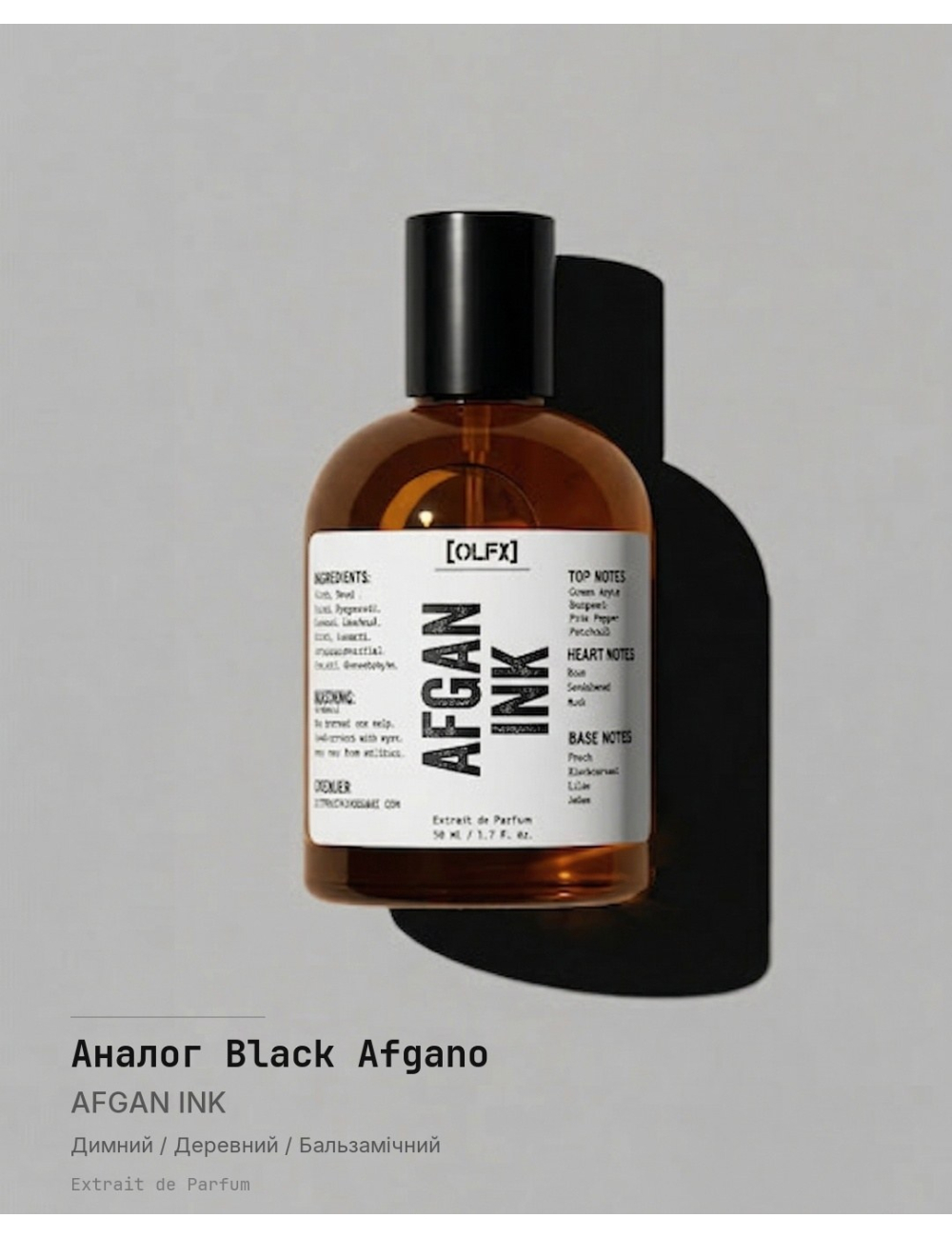
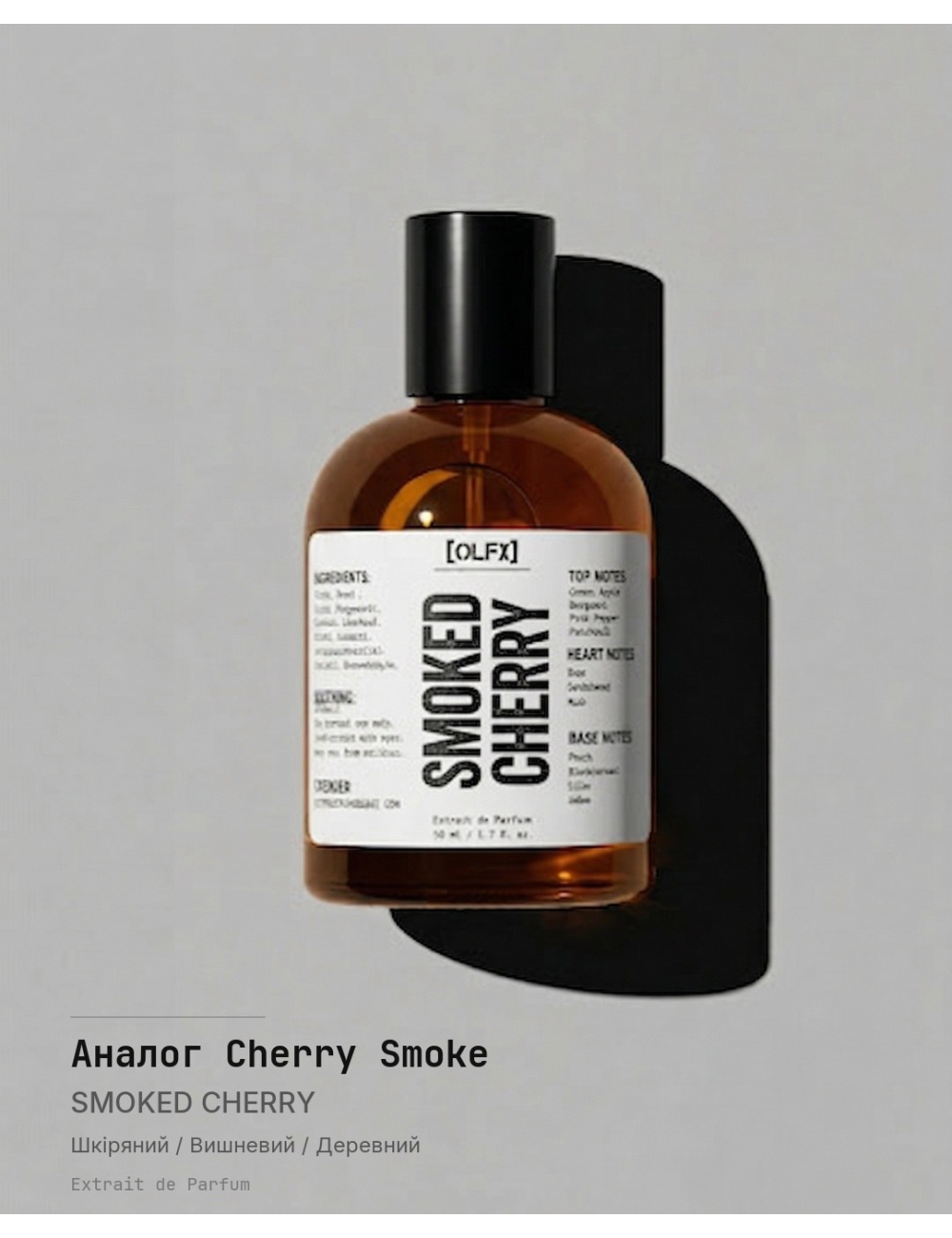
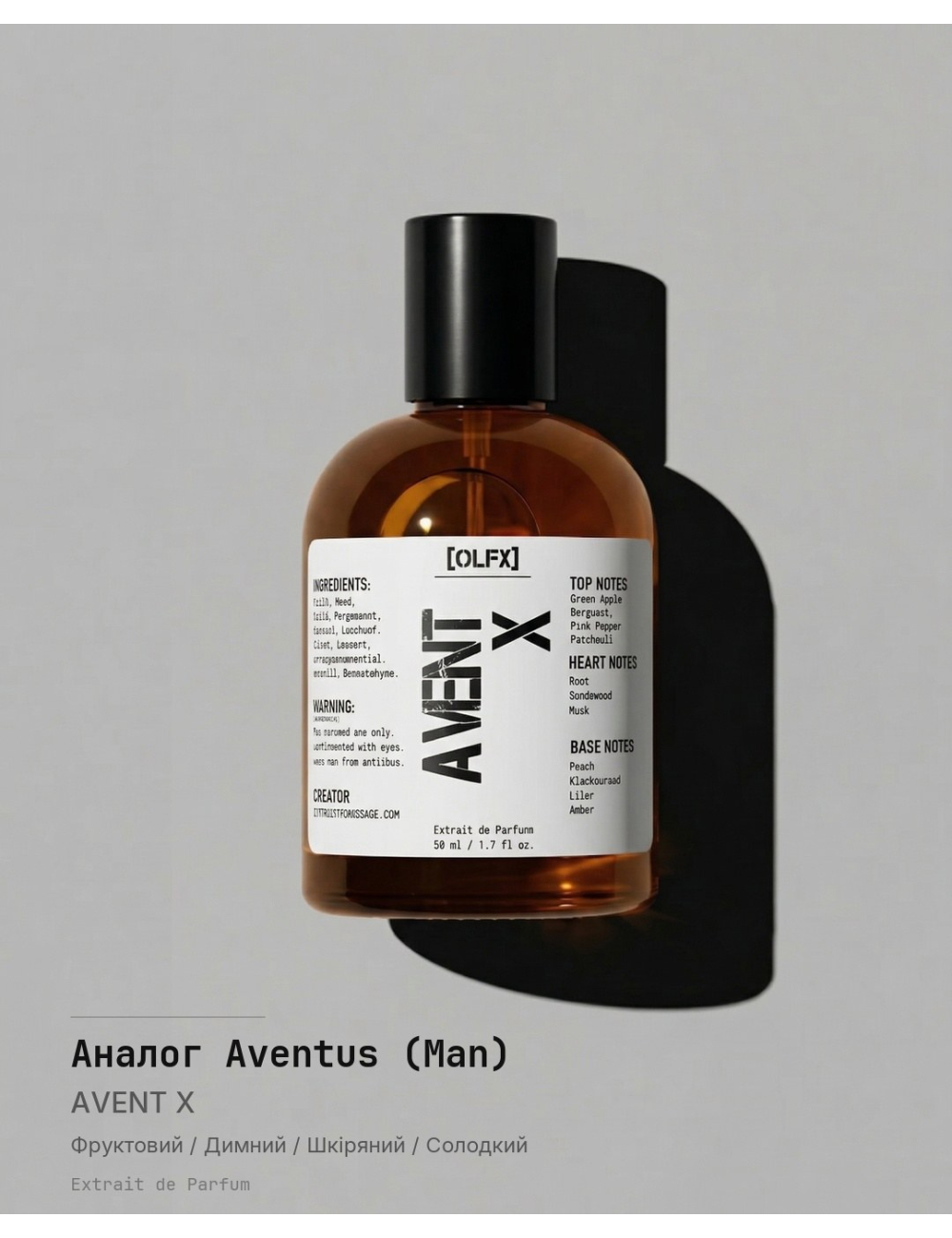
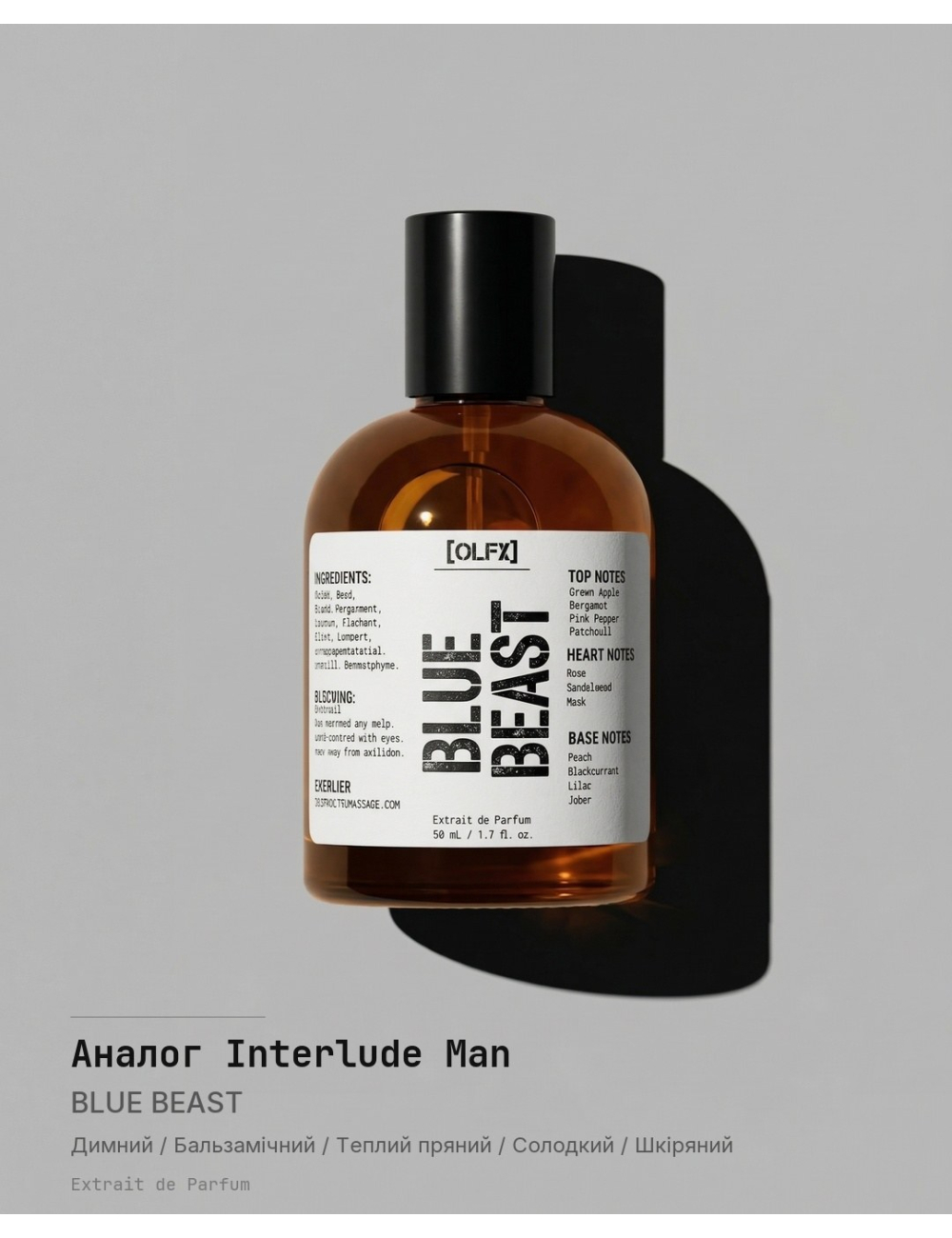
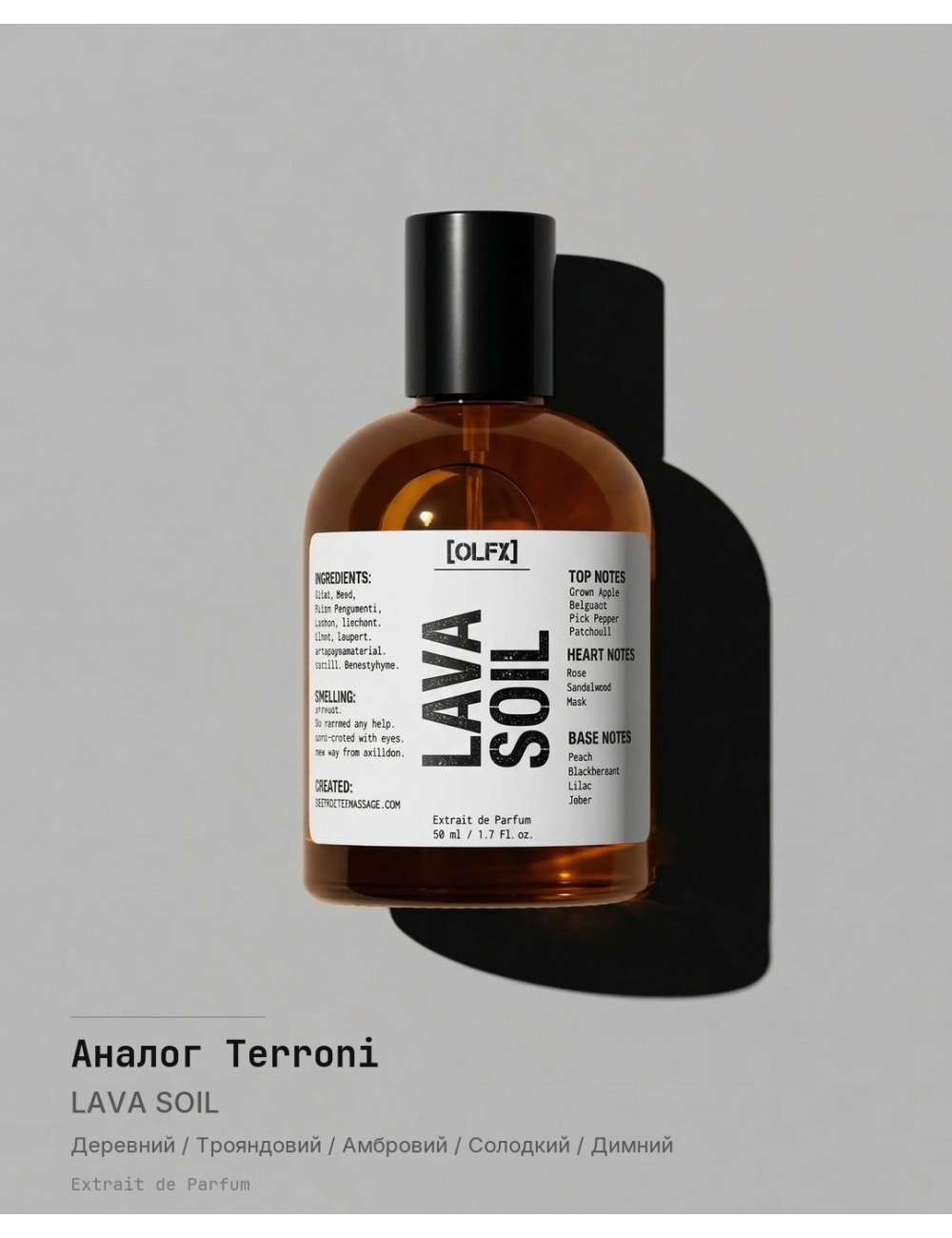
Smoky perfume is a fragrance style built around dark, warm effects like wood smoke, tobacco, incense, leather, amber, or oud. OLFx offers this profile as an Extrait de Parfum in two formats: a 50 ml spray and a 10 ml roll-on perfume oil.
Updated August 2026
A smoky perfume should read as a fragrance with a noticeable dark, warm, or atmospheric smoke-related direction rather than one single required note.
Across the smoky fragrance market, the profile can be described through wood smoke, tobacco, burning incense, leather, amber, oud, and birch-tar-style effects. Two fragrances can therefore belong in the same smoky category while approaching the idea very differently.
One may lean toward burning wood, another toward tobacco or incense, while leather, amber, or oud can shift the mood again. The useful question is not whether every smoky fragrance smells the same. It is which version of the smoky idea you want to compare.
Use the category as a filter, then use each product card and its Compare to reference to make the product-level decision.
A smoky fragrance profile is for shoppers who want to explore darker, warmer, more atmospheric scent directions rather than treat "smoky" as a single note.
Smoky collections in the market span several directions. Some focus on the smokiest possible fragrances, while others group smoky scents with ambery, earthy, tobacco, wood-smoke, or incense language. That makes the category useful for comparing variations inside one broader scent idea.
If your search starts with smoky perfume, decide which cue interests you most. Wood smoke points one way; tobacco, incense, leather, amber, and oud point in others. These are broad market cues, not a claim that every OLFx item contains every one of them.
Your next decision is format. OLFx offers this profile as a 10 ml roll-on perfume oil or a 50 ml spray, so you can compare the fragrance reference first and the purchase format second.
Different smoky perfume styles compare by the kind of smoke-related effect they emphasize, such as wood smoke, tobacco, incense, leather, amber, oud, or birch-tar-like darkness.
Wood smoke or birch tar can push the profile toward a burnt-wood impression. Tobacco can take it toward a richer, warmer direction. Incense or olibanum moves toward a resinous interpretation, while leather adds another dark dimension. Amber and oud also appear throughout the wider smoky shopping landscape.
For a buyer, the process is simple: identify the direction connected with the original fragrance you are considering, compare it with another original referenced in the collection, and then choose the OLFx format you want.
A category label explains why products are grouped together, but it does not make every product interchangeable. The Compare to name on each OLFx product is therefore the key product-level reference when you move from browsing the smoky category to evaluating a specific option.
Choose the OLFx format by application style: the roll-on perfume oil comes in 10 ml, while the spray comes in 50 ml, and both are selected on the same product card.
The 10 ml roll-on perfume oil suits close, targeted application and easy travel use. The 50 ml spray suits a broader, more even application across skin or fabric. Both are labeled Extrait de Parfum, without a concentration percentage.
If application style is your main decision, pick the oil format for direct, close contact or the spray for wider coverage. Either way, the choice sits on the same product card as the scent reference.
For a smoky perfume search, that creates a clear sequence: choose the scent reference, then choose the roll-on perfume oil or the spray. No extra performance assumption is required to compare the two OLFx formats.
OLFx offers each smoky perfume as an Extrait de Parfum in a 10 ml roll-on perfume oil or a 50 ml spray, with the format selector on the product card.
There is no separate smoky-only format tier: the same two options apply across the collection, so format becomes the practical choice once you have identified the scent direction and the original reference you want to compare.
A clean buying path is to separate two questions: which original fragrance reference interests you, and which OLFx format, the oil format or the spray, fits how you want to wear it? That keeps the broad smoky category term separate from the practical format decision.
Use each OLFx Compare to reference as the product-level signpost for which original fragrance you are evaluating inside the smoky collection.
OLFx works with 140 original fragrance references across the catalog. On an individual product card, the Compare to name is the human-readable reference that helps you move from a broad category such as smoky perfume to a specific original fragrance comparison.
That distinction matters because "smoky" is a family-level shopping idea, while a product's Compare to reference is a product-level reference. Start with the category when you want the overall direction. Move to the individual card when you want to know which original is being referenced.
The comparison should stay at that level. The product card identifies the original being compared, while the shopper separately chooses the roll-on perfume oil or the spray.
Before choosing, check the smoky direction you want, the product's Compare to reference, and which OLFx format, roll-on perfume oil or spray, fits how you want to wear it.
A practical comparison can be done in five steps:
This sequence keeps the comparison focused on information you can actually use: scent direction, reference, and format. It also keeps broad smoky-market language separate from the details of any one OLFx product.
Shoppers most often need help separating the general smoky scent idea from the specific fragrance reference and OLFx format they are considering.
The best smoky perfume depends on which smoky direction you want to compare. The category can span wood smoke, tobacco, incense, leather, amber, oud, and related dark profiles. Use the collection's product cards and Compare to references to narrow the choice.
A perfume can be described as smoky when its overall profile creates a smoke-related impression. That effect can be associated with directions such as wood smoke, birch tar, tobacco, incense, leather, amber, and oud. Check the specific original reference before choosing an OLFx format.
The smoky smell in perfume is a dark, warm, atmospheric effect that can be built around wood smoke, tobacco, burning incense, leather, amber, oud, or birch-tar-style facets. It is a broad fragrance direction rather than one required formula for every smoky scent.
This collection does not name one perfume as the most seductive. If smoky is the direction you want, compare the available original references first, then choose the OLFx roll-on perfume oil or spray format that fits how you want to wear it.